
About Bwindi Impenetrable Forest
Location:
Bwindi Impenetrable Forest is located in southwestern Uganda, along the border with the Democratic Republic of Congo. The park covers approximately 321 km² of dense tropical rainforest and is characterized by steep hills, valleys, and swamps, making it a truly “impenetrable” forest in many areas.
UNESCO World Heritage Site:
Declared a UNESCO World Heritage Site in 1994, Bwindi is globally recognized for its exceptional biodiversity. The forest plays a critical role in conservation, providing a protected habitat for endangered species and contributing to ecological balance.
Wildlife:
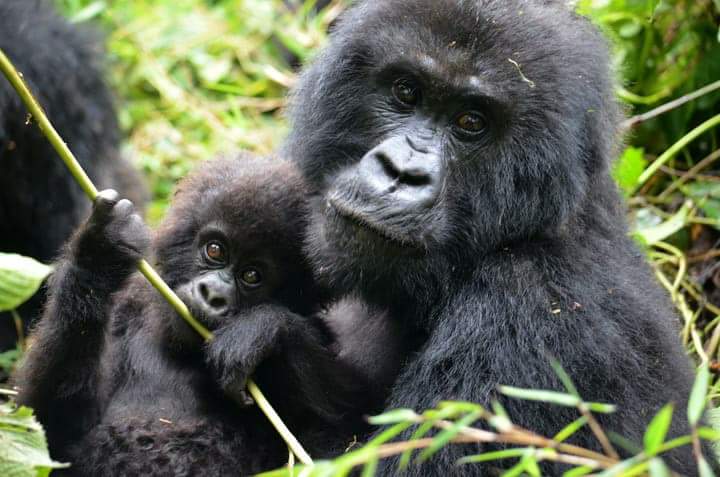
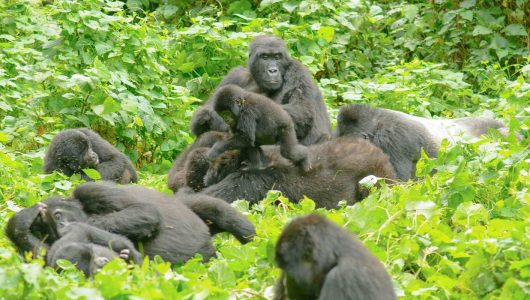
Bwindi is most famous as the home of over 400 mountain gorillas, accounting for nearly half of the world’s population. These gorillas live in different habituated families, which visitors can trek to see under the guidance of trained rangers.
Beyond gorillas, Bwindi is rich in other wildlife:
-
Primates: Chimpanzees, colobus monkeys, and baboons.
-
Mammals: Forest elephants, duikers, bushbucks, and giant forest hogs.
-
Birdlife: Over 350 bird species, including the African green broadbill, African pitta, and the handsome sunbird.
-
Plants: More than 200 species of trees, including mahogany, ebony, and strangler figs, along with numerous medicinal plants.
Unique Features:
-
Dense, mist-covered forests that create a mystical atmosphere.
-
Rolling hills, bamboo forests, swamps, and crystal-clear streams.
-
Opportunities for nature walks, birdwatching, and cultural experiences with local communities, such as the Batwa pygmies.
Conservation and Tourism:
Bwindi is carefully managed by the Uganda Wildlife Authority (UWA). Gorilla trekking is regulated with limited permits to reduce human impact, while tourism revenue contributes directly to conservation efforts and supports local communities.
Visitor Experience:
-
Trekking through the forest is physically rewarding but can be challenging due to steep and slippery trails.
-
Visitors spend about 2–8 hours trekking to find gorilla families, then 1 hour observing them in their natural habitat.
-
Guides educate trekkers about gorilla behavior, forest ecology, and conservation practices.
Beyond gorillas, Bwindi is rich in other wildlife
Primates
Chimpanzees, colobus monkeys, and baboons
Mammals
Forest elephants, duikers, bushbucks, and giant forest hogs
Birdlife
Over 350 bird species, including the African green broadbill, African pitta, and the handsome sunbird
Plants
More than 200 species of trees, including mahogany, ebony, and strangler figs, along with numerous medicinal plants
Visitor Experience
-
Trekking through the forest is physically rewarding but can be challenging due to steep and slippery trails.
-
Visitors spend about 2–8 hours trekking to find gorilla families, then 1 hour observing them in their natural habitat.
-
Guides educate trekkers about gorilla behavior, forest ecology, and conservation practices